Thermocouples
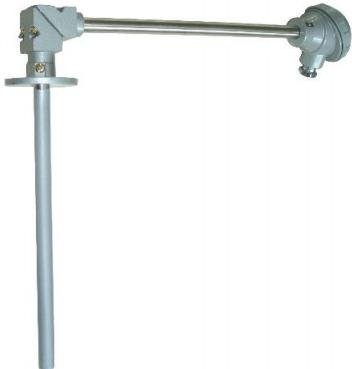
Right-angle elbow thermocouple
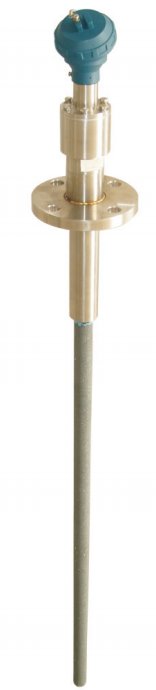
Furnace-top thermocouple
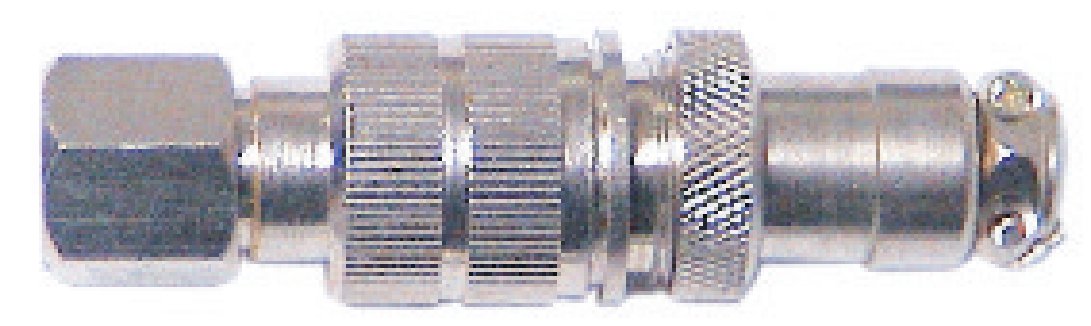
The MI thermocouple is manufactured to GB/T 18404-2022 by the mineral-insulated metal sheath process: thermocouple wires, magnesium oxide insulation layer and metal sheath are compacted together by integrated drawing. It responds quickly, withstands vibration and can be bent, and is supplied in calibrations K, J, E, T, N, S, R and B for high-temperature measurement in petrochemical, power generation, metallurgy and semiconductor applications.
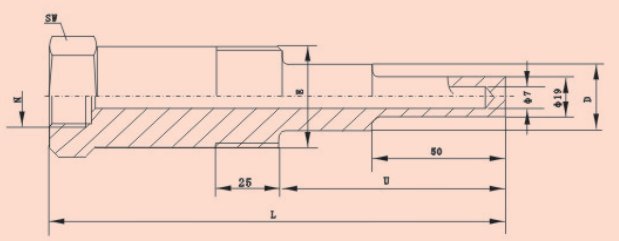
The assembled thermocouple (industrial thermocouple) consists of a thermal element, protection tube, terminal head and mounting device. It measures from -200 to 1600 °C, with selectable protection tube materials and mounting forms, and is widely used for process temperature measurement in petrochemical, metallurgy, power generation and machinery manufacturing.
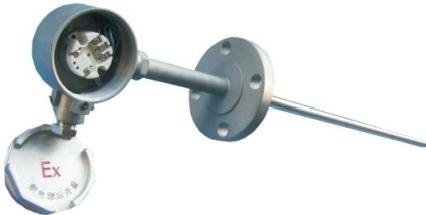
Flameproof thermocouple / RTD
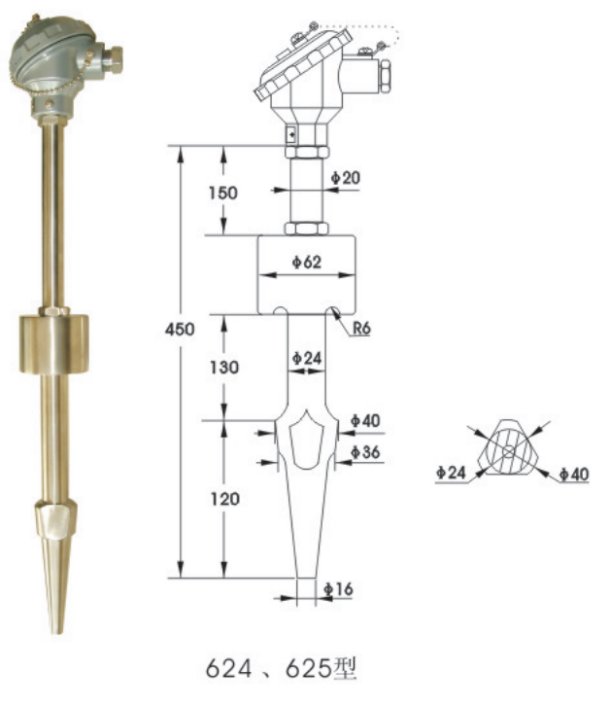
Thermal-sleeve thermocouple (RTD)
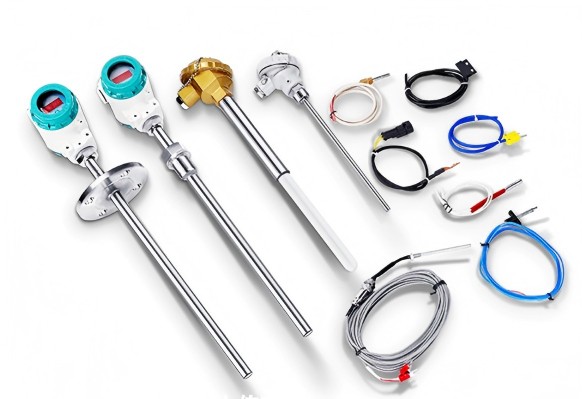
Power station thermocouple (RTD)
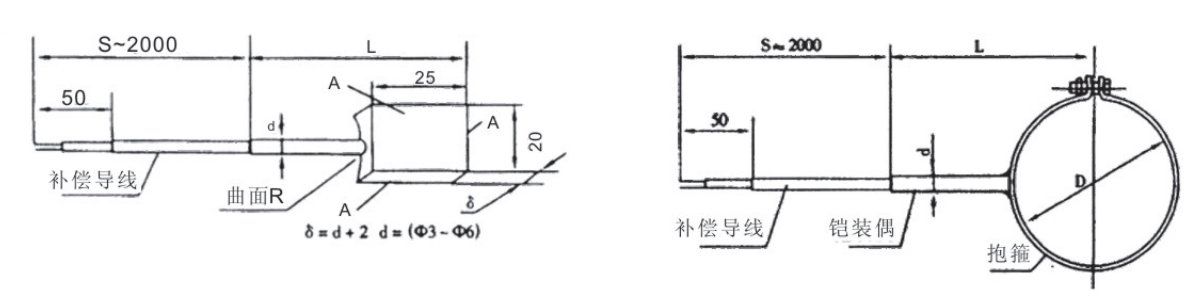
WR□T-11 MI thermocouple for boilers and clamps
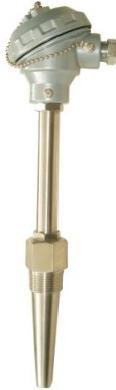
Sleeve thermocouple (RTD)
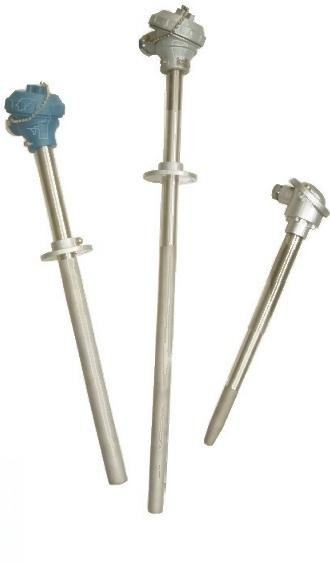
Wear-resistant thermocouple (RTD)
Petrochemical thermocouple (RTD)
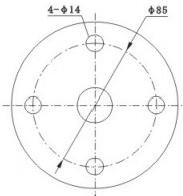
Wear-resistant leak-proof thermocouple

Wear-resistant shut-off valve thermocouple
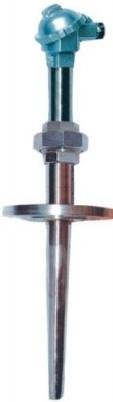
High-temperature & high-pressure thermocouple
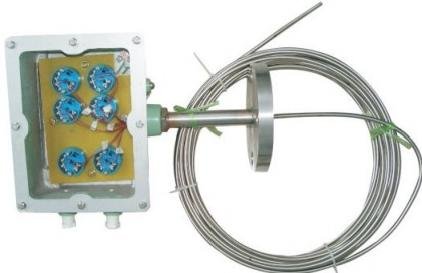
Multi-point flameproof thermocouple
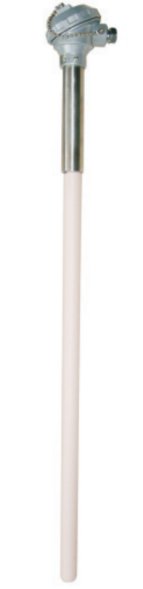
High-temperature corrosion-resistant thermocouple
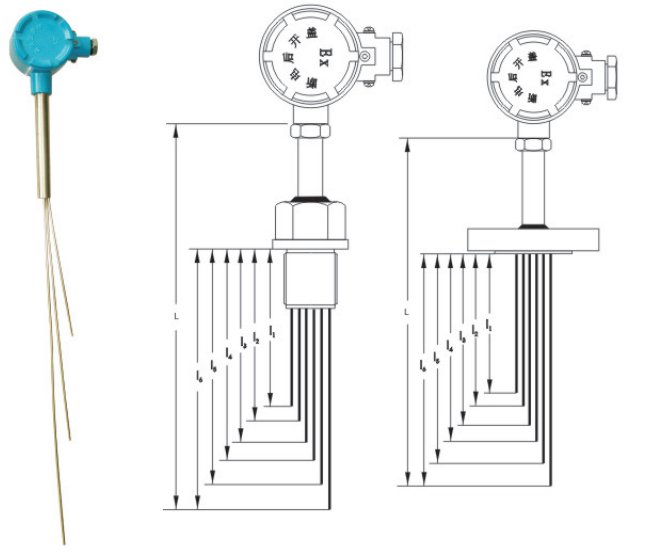
Multi-point thermocouple
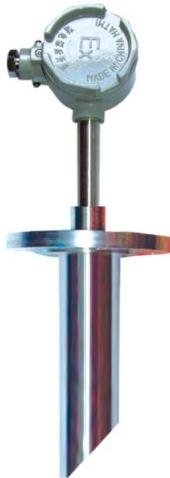
Thermocouple for cracking furnaces

Gas-purged thermocouple
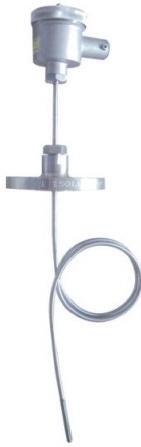
Furnace tube knife-edge thermocouple
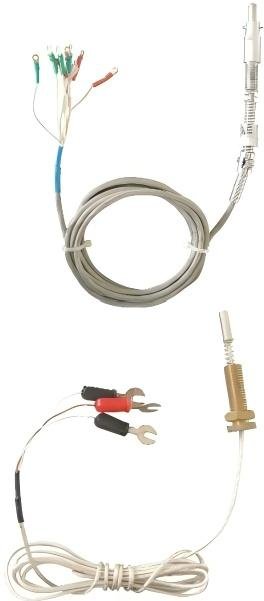
Spring-compression thermocouple
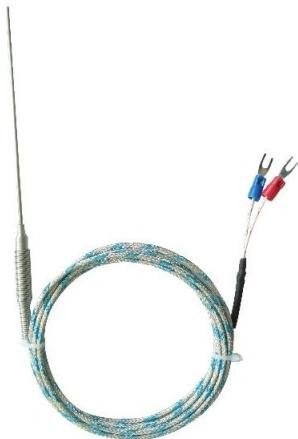
Fine MI thermocouple
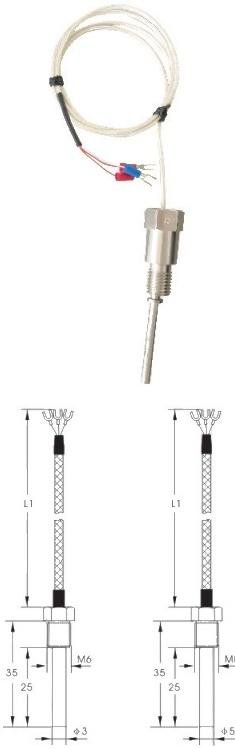
Miniature thermocouple (RTD)
Special thermocouple (RTD)
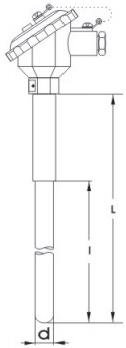
Precious-metal high-temperature thermocouple
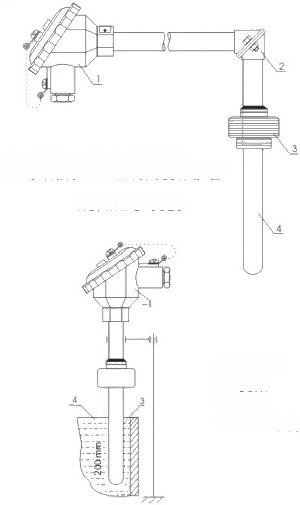
WRPG series thermocouple for high-temperature salt-bath furnaces
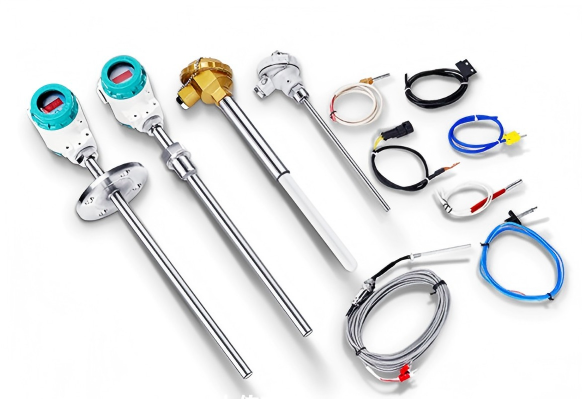
The tungsten-rhenium high-temperature thermocouple uses tungsten-rhenium alloy as the temperature-measuring material. It suits temperature measurement under ultra-high-temperature, vacuum and reducing-atmosphere conditions, and is an important temperature-sensing element for high-temperature sintering and high-temperature experimentation.
The PV ingot thermocouple is used for high-temperature measurement in photovoltaic production equipment such as polysilicon ingot furnaces and single-crystal furnaces. It features high temperature resistance, thermal shock resistance and accurate temperature measurement.
The salt bath furnace thermocouple is specially designed for highly corrosive, high-temperature conditions such as salt bath furnaces. It resists molten salt attack and provides stable temperature measurement during salt bath heat treatment.
The simple thermocouple is an economical temperature sensing element with a simple structure and low cost, suitable for general temperature measurement applications where installation requirements are not demanding.
The industrial furnace thermocouple adopts an assembled structure and is designed for the long-term high-temperature continuous operation of industrial furnaces. It can stably measure the temperature of the furnace chamber, furnace wall and furnace medium over long periods.
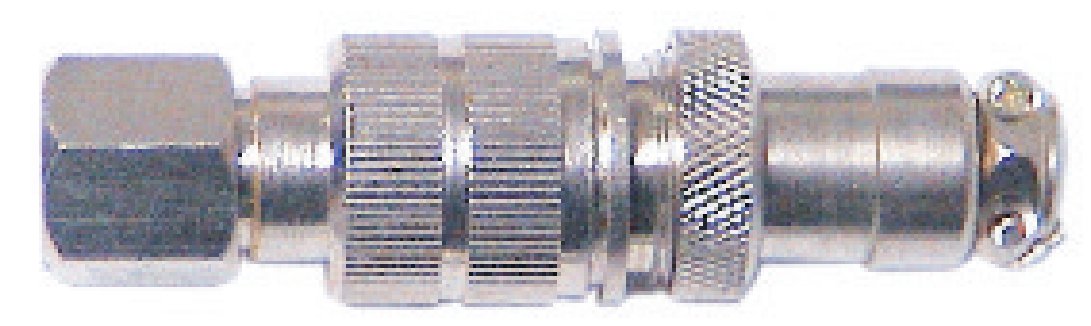
The fixed-flange thermocouple adopts a flanged connection, fixing the temperature sensing element to the furnace wall, pipe or equipment wall by means of a flange plate. It is suitable for temperature measurement applications requiring stable fixing and good sealing.
RTD Sensors
The MI platinum RTD uses a platinum resistance element as the sensing element, with high-density magnesium oxide filling inside the stainless steel sheath; the assembly is formed by integrated drawing and cannot be disassembled. It complies with IEC 751 and JB/T 8622-1997, delivers accurate and stable temperature measurement, and is suitable for continuous industrial temperature acquisition from -200 to 600 °C.
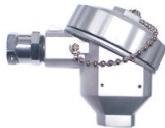
Assembled RTD
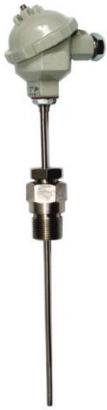
Bearing Pt RTD/Bearing thermocouple
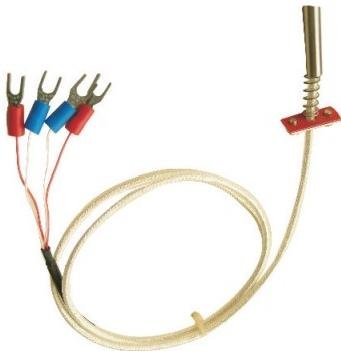
Surface RTD
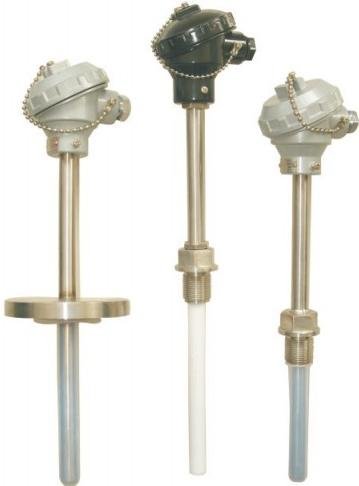
Corrosion-resistant RTD
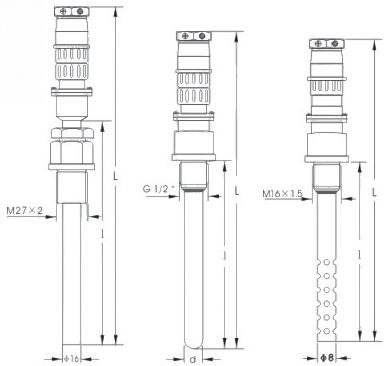
Socket-type RTD
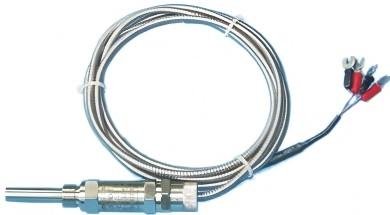
Surface platinum RTD for feed water pumps
Sensor Accessories
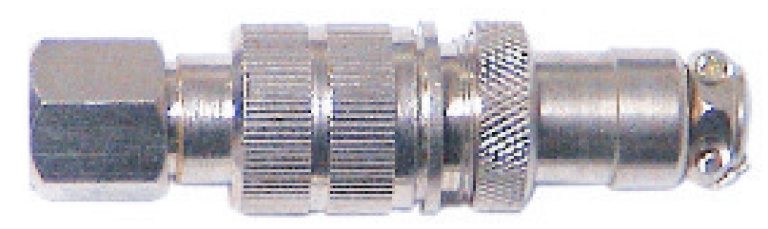
The SMPW-J-M is a standard male connector for Type J thermocouples. With its compact construction and easy plugging and unplugging, it suits rapid connection at general industrial temperature measurement sites.
The SMPW-T-FM is a flange-type female connector for Type T thermocouples. It mates securely and suits signal connection in low- and medium-temperature measurement applications.
The OSTW-K-FM is a flange-type female connector for Type K thermocouples, used for reliable connection between thermocouples and compensating wires to ensure accurate signal transmission.
The OSTW-R/S-FM is a flange-type female connector for Type R and S platinum-rhodium thermocouples. With reliable contact and high-temperature resistance, it suits signal connection of precious-metal thermocouples.
High-Temperature Ceramics
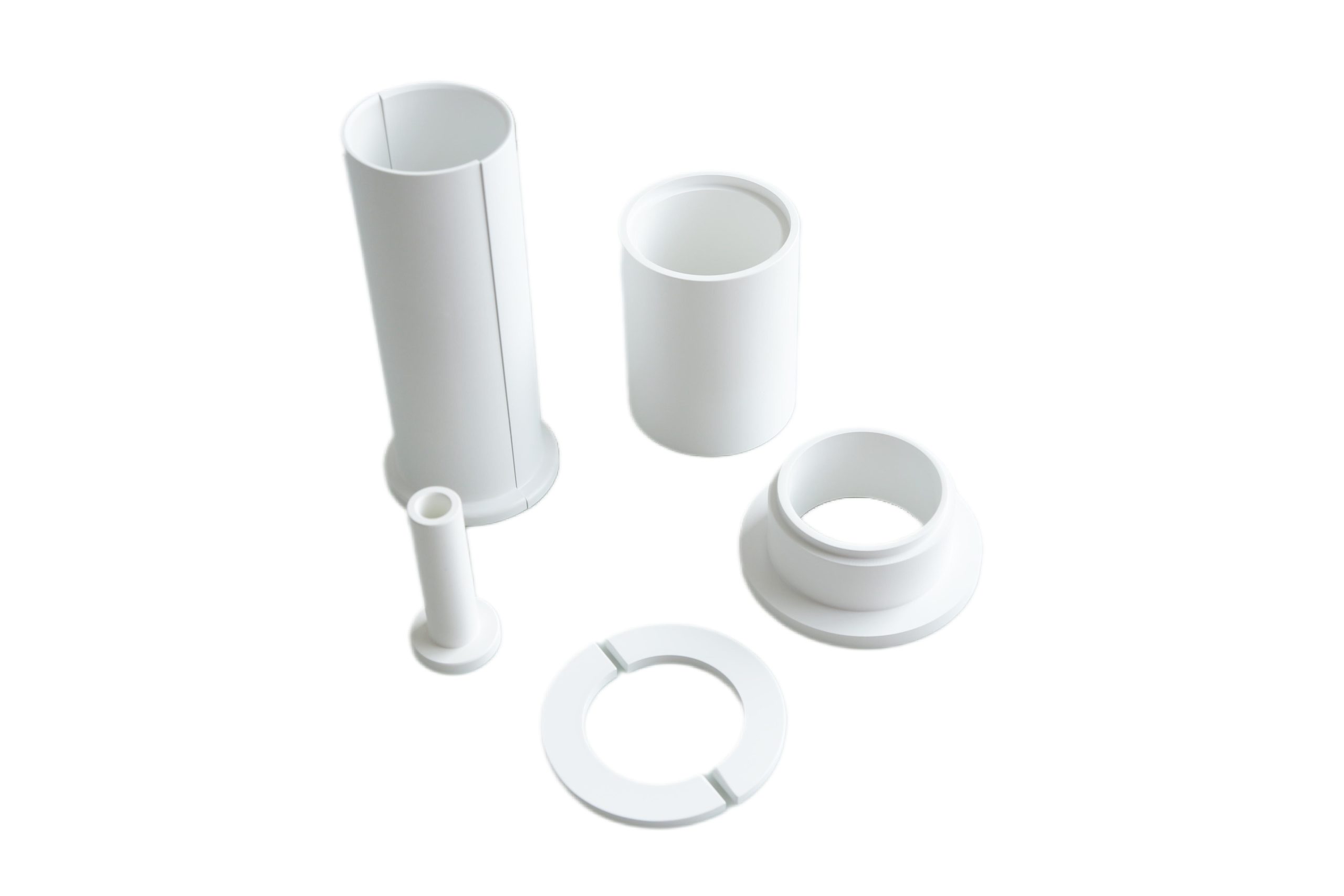
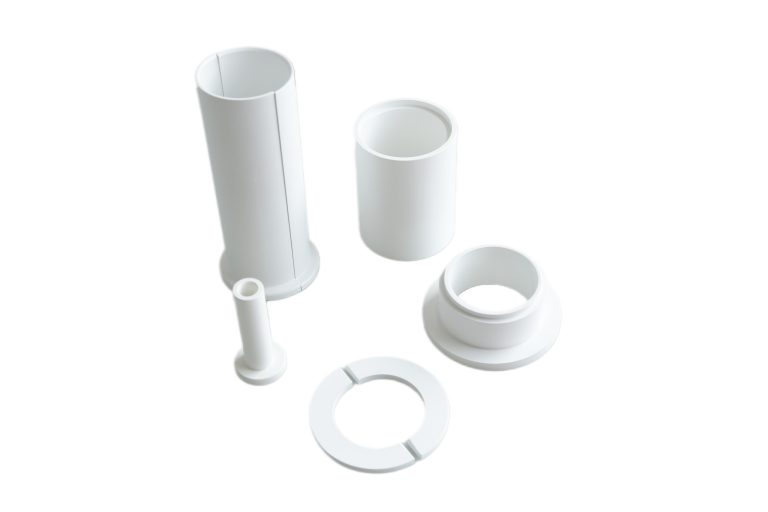
Alumina ceramic gaskets are high-temperature resistant, with good insulation and strong chemical stability. They are mainly used for the insulation, isolation and support positioning of thermocouples and RTDs, and can be customised to the tube bore.
Ceramic hangers are insulated ceramic rods for high-temperature furnaces. With high mechanical strength and resistance to prolonged high temperatures, they are used to suspend and support heating elements or other high-temperature components.
Alumina ceramic plates are formed by high-temperature sintering of high-purity Al2O3. They are high-temperature resistant, have high insulation resistance and good thermal shock resistance, and are commonly used as the lining and insulation support of high-temperature furnaces. Dimensions and hole positions can be customised per drawing.
Boron nitride bricks are formed from hexagonal boron nitride. They are high-temperature resistant, thermally shock resistant and non-wetting to metals, and serve as insulation liners or isolation parts in high-temperature and vacuum environments.
Ceramic flanges are flange-type insulation parts made of alumina. Combining insulation with secure mounting, they are used for flange-type installation and fixing of temperature-sensing elements and other components in high-temperature environments.
Hexagonal boron nitride pins are high-temperature resistant, non-wetting to molten metal, easy to machine and well insulated, making them suitable for positioning support and electrical insulation in high-temperature and vacuum environments.
Temperature Instruments
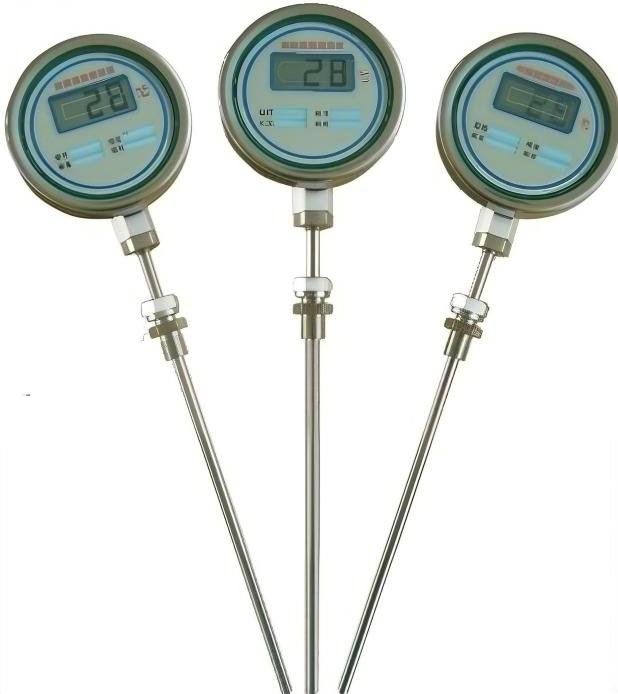
Local temperature indicator
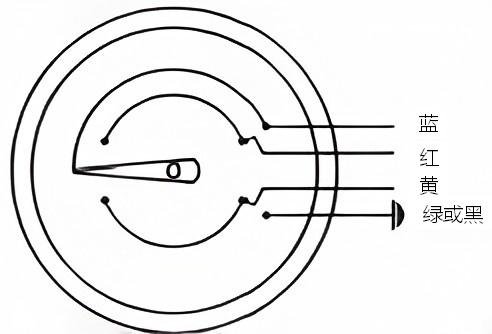
Contact bimetallic thermometer
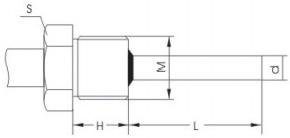
The bimetallic thermometer uses the difference in linear expansion coefficients of the two metals to drive the pointer and indicate temperature. It features a robust construction and intuitive local readings, and is offered in axial, radial and universal mounting forms with a variety of threaded and flanged connections, making it suitable for local temperature indication.
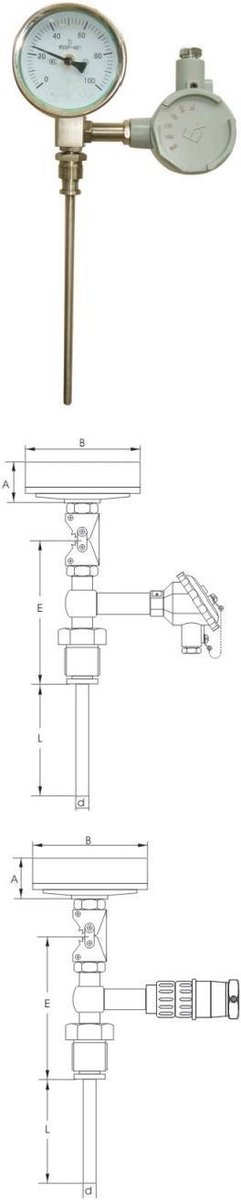
Bimetallic thermometer with thermocouple (RTD)
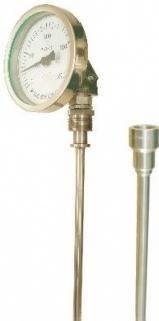
Thermal-sleeve bimetallic thermometer
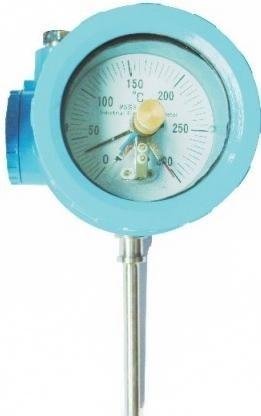
Flameproof bimetallic thermometer
Temperature Monitoring Systems
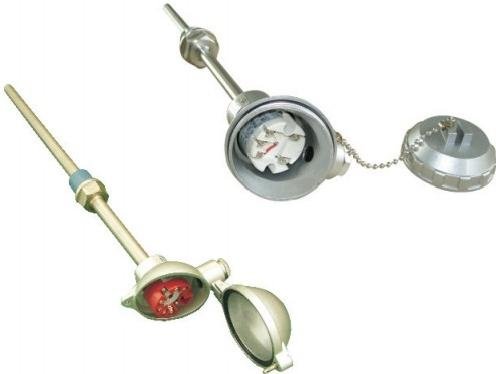
The thermocouple (RTD) with temperature transmitter has a built-in conversion module and outputs a 4-20 mA signal directly over two wires, saving the cost of extension wires and an external transmitter. It offers strong interference immunity and automatic cold-junction compensation, and measures liquids, steam, gaseous media and solid surfaces from 0 to 1600 °C.
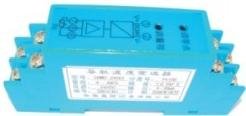
The SBW series temperature transmitter uses 2-wire transmission and converts thermocouple and RTD signals into a linear 4-20 mA / 0-10 mA output. It can be installed directly in a terminal head to form an integrated construction, is shock and moisture resistant, and is available as an intelligent version with HART communication.